


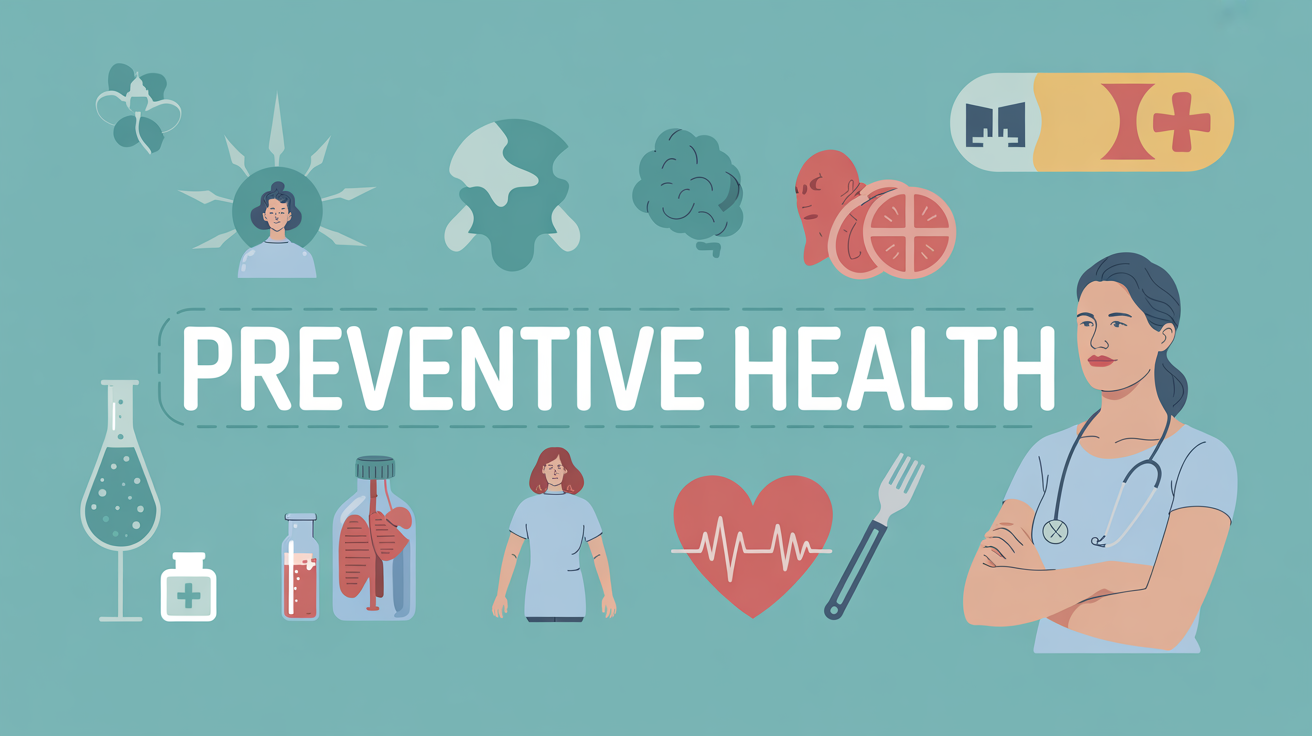
world where chronic diseases and stress have become everyday issues, preventive health is emerging as a true revolution. Today, health experts emphasize a key point: it is better to prevent than to cure. But why is prevention seen as the medicine of the future?
Preventive Health: Responding to New Challenges
The numbers speak for themselves. According to the WHO, over 60% of chronic diseases, such as diabetes or hypertension, could be avoided with a balanced lifestyle. The main problem lies in our habits: unhealthy eating, lack of physical activity, insufficient sleep, and constant stress.
Preventive medicine goes beyond simple medical check-ups. It involves a holistic approach: healthy nutrition, regular exercise, psychological support, and the use of connected technologies to monitor health indicators in real time.
Nutrition: The First Line of Defense
Nutrition plays a crucial role in disease prevention. Researchers confirm that a diet rich in fiber, antioxidants, and low in added sugars helps reduce the risk of chronic inflammation. Adopting a balanced diet, inspired by the Mediterranean model, is one of the best ways to strengthen the immune system and protect heart health.
Physical Activity: The Free Medicine
Daily movement is one of the most effective tools to prevent modern health issues. Engaging in 30 minutes of moderate exercise daily significantly lowers cardiovascular risks, boosts mental well-being, and promotes longevity. Far from being a luxury, physical activity is a natural treatment readily accessible.
The Central Role of Mental Health
Neglecting mental health weakens overall health. Chronic stress, anxiety, and burnout directly impact the body by promoting inflammation, cellular aging, and metabolic diseases. Techniques such as meditation, mindful breathing, and professional therapy are becoming essential pillars for effective prevention.
New Technologies Serving Prevention
Today, smartwatches, health tracking apps, and artificial intelligence are transforming traditional medicine. These tools allow individuals to monitor their heart rate, sleep patterns, daily steps, and receive personalized advice. Continuous tracking helps detect subtle warning signs well before diseases develop.
Conclusion: Investing in Health is Investing in the Future
Preventive medicine is no longer just a trend; it is a necessity. With increasingly demanding lifestyles, proactively taking care of oneself is one of the best investments to extend both lifespan and quality of life.
In the coming years, healthcare will focus less on treating illnesses and more on stopping them before they arise. This transformation starts today—in what we eat, how we live, and even through our smartphones.


0 comments:
Post a Comment